Why Professional Window Cleaning Is Essential for Office Building Appearance
The appearance of an office building plays a significant role in how it is perceived by employees, clients, and visitors. Among the many elements that contribute to a professional and inviting atmosphere, windows are often one of the most noticeable features. Clean windows allow natural light to enter freely, creating a brighter and more welcoming interior. Over time, windows accumulate dust, dirt, water spots, and environmental pollutants that can detract from the building’s overall aesthetic. While regular in-house cleaning may address some surface issues, professional window cleaning offers a level of thoroughness and consistency that is difficult to achieve with standard methods.
Property managers and business owners often consider window cleaning as part of a broader maintenance strategy. The decision to engage a professional service such as ClearView Pro can depend on factors like building height, window type, and the desired frequency of cleaning. Understanding the benefits that clean windows provide—ranging from improved lighting to enhanced professional image—can help in evaluating whether professional services are a suitable choice for a particular office environment.
This article explores the multiple dimensions of window cleaning for commercial office buildings. It examines how clean windows influence natural light, employee morale, client impressions, and overall building maintenance. The discussion also covers the potential risks of improper cleaning and the value of consistent professional care.
Enhancing Natural Light and Interior Ambiance
Windows serve as the primary source of natural light in most office spaces. When windows are covered with grime or mineral deposits, they reduce the amount of daylight that enters the building. This reduction can lead to a dimmer interior, which may affect how spaces are perceived and used. Clean windows maximize the transmission of sunlight, which can help reduce the need for artificial lighting during daytime hours. This effect is particularly relevant in open-plan offices and areas where natural light is limited by surrounding structures.
The quality of light entering a workspace also influences color perception and visual comfort. Streaks, smudges, or haze on glass surfaces can create uneven lighting and cause glare that distracts occupants. Professional cleaning methods, such as using deionized water and appropriate squeegee techniques, help ensure that glass surfaces remain clear and free of residues. This clarity contributes to a more consistent and pleasant indoor environment.
In addition to functional benefits, the aesthetic improvement from clean windows supports the overall design and furnishings of the office. Bright, naturally lit spaces often feel more open and less confined, which can positively affect how employees and visitors experience the building. While the impact of natural light is well documented, the specific contribution of window cleanliness is a factor that property managers can consider when planning maintenance schedules.
Supporting Employee Well-Being and Productivity
Office environments that prioritize natural light and clear views have been associated with improved employee comfort and satisfaction. Clean windows allow workers to see outside, offering visual breaks that can reduce eye strain and mental fatigue. A study from the field of environmental psychology suggests that access to daylight and views of nature can influence mood and cognitive function. While individual experiences vary, many employees report feeling more alert and positive in well-lit spaces.
The condition of windows can also affect the perception of the workplace as a professional and well-maintained setting. When windows are dirty, it may give the impression that the building is not properly cared for, which can subtly influence employee morale. Conversely, a clean and bright workspace can contribute to a sense of pride and ownership among staff members. Maintaining cleanliness through professional services like ClearView Pro helps ensure that windows remain in good condition throughout the year, regardless of seasonal changes or local weather conditions.
It is important to note that employee productivity depends on many factors, including job design, management practices, and individual preferences. The role of window cleaning is one variable among many. However, when considered as part of a holistic approach to workplace quality, clean windows can support an environment where employees are more comfortable and focused.
Creating Positive First Impressions for Clients
The exterior appearance of an office building often shapes the first impression that clients and business partners form. Windows that are streaked, clouded, or covered with dirt can signal neglect, regardless of the quality of services or products offered inside. For companies that receive visitors regularly, the condition of windows is a visible indicator of attention to detail. This is especially true for ground-level windows and entrance areas, which are encountered at close range.
Professional window cleaning provides a level of consistency that helps maintain a uniform appearance across all glass surfaces. Services such as those offered by ClearView Pro involve systematic techniques that address both interior and exterior windows, including hard-to-reach areas. The result is a polished look that aligns with the image many businesses wish to project. While the direct impact on client decisions is difficult to measure, a clean and professional building exterior can reinforce trust and credibility.
In some industries, such as real estate, hospitality, or law, the physical environment is particularly important. Building managers in these sectors often schedule window cleaning more frequently to ensure that the property always presents its best face. Even in less image-sensitive sectors, the cumulative effect of clean windows contributes to an overall sense of order and reliability.
Mitigating Risks and Ensuring Safety
Window cleaning for office buildings involves certain risks, especially when dealing with multi-story structures or specialized glass types. Improper techniques, such as using harsh chemicals or abrasive tools, can damage window frames, seals, or the glass itself. Scratches or etching from incorrect cleaning methods can lead to costly repairs or replacements. Additionally, cleaning windows at heights without proper training or equipment poses safety hazards for building staff.
Professional window cleaning companies are equipped with the necessary tools, such as extension poles, water-fed pole systems, and harnesses for high-rise work. Their technicians are trained in safe practices and are aware of building-specific considerations. For example, certain windows may have low-emissivity coatings that require non-abrasive cleaning solutions. By relying on experienced professionals, building owners reduce the likelihood of accidental damage or personal injury. Insurance coverage and adherence to occupational safety standards further minimize liability.
The use of appropriate methods also extends to environmental factors. Professional services often employ water reclamation systems to prevent runoff into landscaping or drainage systems, supporting compliance with local regulations. These considerations may not be apparent during routine in-house cleaning but become relevant when evaluating long-term maintenance strategies.
Establishing a Consistent Maintenance Routine
Office buildings benefit from a predictable schedule of window cleaning that accounts for seasonal variations and building usage. In many regions, pollen, dust, and rain can leave deposits on glass within weeks. Establishing a routine—such as quarterly or bi-annual cleanings—helps maintain a baseline level of clarity. Without a consistent schedule, windows may become noticeably dirty before cleaning is performed, which can undermine the benefits discussed earlier.
A professional service like ClearView Pro can work with facility managers to develop a customized plan based on building location, window orientation, and surrounding environment. For instance, buildings near construction sites or highways may require more frequent attention due to higher levels of airborne debris. Similarly, interior windows in high-traffic areas may accumulate fingerprints and smudges more quickly. A maintenance plan that addresses these variables can help ensure that windows remain in good condition throughout the year.
Consistency also supports budget predictability. By scheduling regular cleaning, building owners can avoid the costs associated with emergency cleanings or extensive restoration due to prolonged neglect. While professional services involve an ongoing expense, many property managers view it as a component of preventive maintenance that protects the building’s value.
The Role of Professional Techniques and Equipment
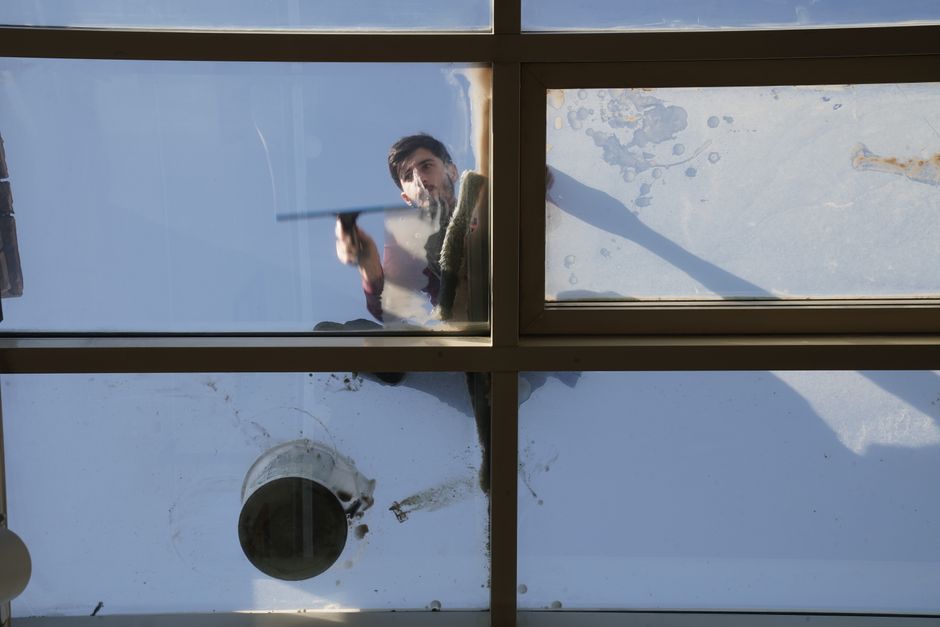
The methods used by professional window cleaners differ from common household approaches. For example, the use of deionized water in water-fed pole systems allows for a spot-free finish without the need for detergents in some cases. Squeegees with replaceable rubber blades, applied at specific angles, minimize streaks and ensure even coverage. These techniques require practice and knowledge to execute effectively, particularly on large or oddly shaped windows.
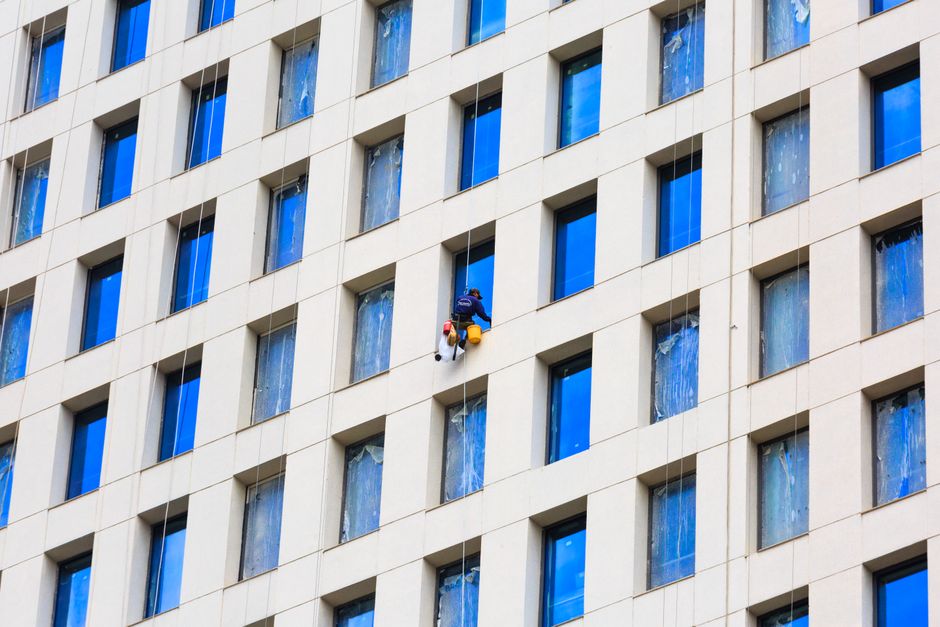
Professionals also have access to equipment that is not typically available to in-house staff. Lifts, scaffolding, and rope-access systems enable safe cleaning at heights. Specialized tools for cleaning window tracks, screens, and frames help address areas that might otherwise be overlooked. By employing these resources, services such as ClearView Pro can deliver a level of detail that goes beyond surface cleaning.
The training that professional technicians receive also includes understanding different types of glass and the appropriate cleaning agents for each. Some windows require pH-neutral solutions to avoid damaging coatings, while others may need mild abrasives for stubborn mineral deposits. This knowledge helps protect the integrity of the building materials while achieving the desired clarity. Although results depend on the condition of the windows and the skill of the technicians, professional methods provide a structured approach to maintaining glass surfaces.